

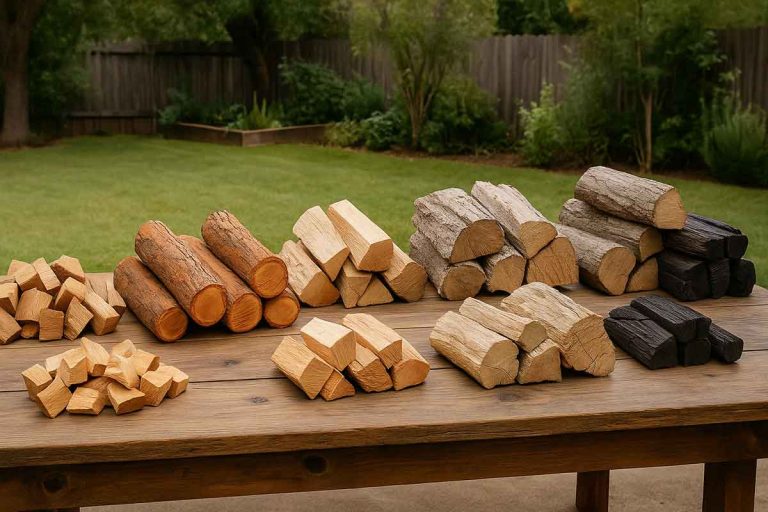
When it comes to smoking meat, the wood type you choose can make or break your cook. The flavor of the smoke matters just as much as the seasoning on your ribs or the rub on your brisket. Each wood brings its own character—some are sweet and mild, others bold and earthy. Knowing which wood type pairs best with your meat is the secret to next-level barbecue.
Let’s break it down in a way that’s easy to understand, backed by experience, and ready to apply whether you’re cooking on a drum smoker or a big offset rig.
Why Wood Type Matters in Smoking Meat
Think of wood like a spice. You wouldn’t use cayenne on everything, right? The same goes for smoke. Mild woods are great for delicate foods like fish and vegetables. Medium woods suit pork and poultry. Strong woods go toe-to-toe with heavy cuts like brisket or game meat.
Using the wrong wood type can overpower your food. But the right one? It enhances every bite with layers of smoky richness.
Mild Woods: Sweet, Subtle, and Perfect for Poultry
These are the go-to woods for beginners or anyone smoking something delicate. They add just enough flavor without stealing the show.
Alder
Alder has a light, slightly sweet profile. It’s a favorite in the Pacific Northwest for a reason. If you’ve ever had alder-smoked salmon, you know the difference. It works beautifully with any kind of white fish and gives seafood a clean, slightly earthy undertone.
Apple
Applewood is sweet, fruity, and crowd-pleasing. It complements pork, chicken, and turkey like nothing else. Applewood smoked ribs have a natural hint of sweetness, making them a hit at backyard cookouts.
Cherry
Cherry wood brings a subtle fruity smoke and adds a reddish hue to meats. It’s perfect for chicken and ham. Some pitmasters blend cherry with hickory for a flavor that’s both bold and sweet.
Peach
Peach is a Southern favorite. It’s similar to apple but softer. It works well for poultry and pork. Think peach-smoked chicken thighs with a honey glaze. Light, fragrant, and juicy.
Pear
Pearwood is lesser-known but worth a try. It’s mild and slightly sweet, ideal for poultry and light pork dishes. If you’re experimenting, try pear when smoking turkey breast or even vegetables like bell peppers.
Medium Woods: Balanced Smoke That Works Across the Board
These woods give you that classic barbecue flavor without overwhelming the meat. They’re ideal for those who want a little more punch than fruit woods but not as intense as hickory or mesquite.
Maple
Maple is smooth and mildly sweet. It’s often used for ham and poultry. Maple-glazed smoked chicken wings? Yes, please. This is also a great choice for smoking cheese or even nuts if you’re into specialty snacks.
Pecan
Pecan wood is like hickory’s sweeter cousin. It’s nutty, rich, and a touch stronger than fruit woods. Use it for ribs, whole chickens, or pork shoulder. It’s a great all-around wood that blends well with cherry or apple.
Oak
Oak might be the most versatile smoking wood there is. It’s strong enough to stand up to brisket but not so overpowering that it ruins chicken. Red oak is commonly used in California-style tri-tip. White oak is favored in Texas for low-and-slow brisket. You really can’t go wrong here.
Hickory (Light Use)
Hickory sits on the line between medium and strong. Use it sparingly and it acts more like a medium wood. This works well for bacon, sausage, or ribs. Mix it with apple or cherry if you want a more layered smoke.
Strong Woods: Bold Flavors for Bold Meats
These are the woods with attitude. They work best on fatty, heavy cuts that can stand up to stronger smoke. Use with care, or they can overpower your food.
Hickory
This is the king of classic barbecue. Hickory gives off a strong, hearty smoke that clings to meat. It’s ideal for pork shoulder, ribs, and brisket. A little goes a long way. Too much can turn bitter, but just enough gives you that unmistakable BBQ flavor.
Mesquite
Mesquite is strong, earthy, and intense. It burns hot and fast, making it better for quick cooks or blending. It’s the wood of choice in Texas when you want bold, beef-forward flavor. Avoid using it with chicken or fish unless you’re blending it with something milder.
Walnut
Walnut has a bold and slightly bitter edge. It’s not used often on its own but shines when blended. Great with game meats like venison or elk. If you like deep, dark smoke, walnut can surprise you—but be ready for its bite.
Special Mentions and Regional Favorites
Some woods are loved in specific regions or used for unique flavor effects. They don’t always fall into mild, medium, or strong—some are just in a class of their own.
Post Oak
A staple in Central Texas BBQ. It burns clean and gives brisket a smooth, subtle smoke. You’ll find post oak in every pitmaster’s yard across Austin and Houston. Great for long cooks and consistent temperature.
Grapevine
This wood gives a slightly sweet and tangy smoke. It’s perfect for poultry and pork. You’ll sometimes find it in wine country BBQ joints where they repurpose old vines for their smokers.
Olive
Olive wood is similar to mesquite but less aggressive. It’s an underrated option for lamb, beef, or Mediterranean-style dishes. If you ever find some in your area, give it a try—it’s a cleaner burn than mesquite.
Corncob
This is a Midwestern classic. Corncob smoke is mild and slightly sweet. People often use it for poultry and sausage. It’s not easy to find, but it adds a unique touch if you’re after something traditional and homegrown.
Blending Wood Types: Create Your Own Flavor Profile
One of the best parts of smoking is customizing your flavor. Blend apple with hickory. Try cherry with pecan. Mix mesquite and oak if you want bold flavor with balance.
Experimenting with blends can help you find your signature smoke. Just start light and adjust from there. Too much strong wood will dominate the cook.
Real-World Wood Pairing Examples
Here’s what backyard pitmasters and pros are using in the real world:
- Chicken thighs: apple + a touch of hickory
- Pork ribs: cherry + pecan
- Beef brisket: post oak or oak + mesquite
- Salmon: alder alone or with a hint of fruit wood
- Vegetables: peach or pear for a soft touch of smoke
- Lamb: olive or a mix of oak and cherry
Using the right wood type can turn a decent barbecue into a memorable one.
Tips for Buying and Storing Smoking Wood
- Always choose hardwoods. Never use pine or softwoods—they release toxic resins.
- Look for wood that’s seasoned but not too dry.
- Avoid wood that has mold, mildew, or smells sour.
- Store in a dry place off the ground to avoid moisture.
- If using wood chunks or logs, break them into manageable sizes based on your smoker.
Final Thoughts on Wood Type and Flavor Mastery
The right wood type adds depth to your barbecue. It turns simple cuts into smoky masterpieces. Whether you’re smoking on a custom-built drum smoker or a store-bought unit, don’t overlook the power of your fuel source.
Start mild. Try new blends. Learn what you like. Mastery comes from repetition and a good understanding of your wood.
Once you dial in the perfect match for your meat, you’ll never go back to grilling without smoke again.

